

Technology
Proven technology. One standard plant design.
Every 11BIO facility uses established industrial pyrolysis systems, built for continuous operation, consistent biochar quality and a long service life.
Continuous operation
About 7,200 operating hours a year.
Self-powered
Runs on its own syngas and recovered heat.
Built to replicate
One standard 25-ton-per-day plant design.
Process
How a plant works
Biomass goes in, biochar comes out, and the process powers itself.
Integrated emissions controls and heat recovery keep the plant efficient and within environmental and regulatory requirements.
Operations
Built for continuous operation
Proven biochar production technology
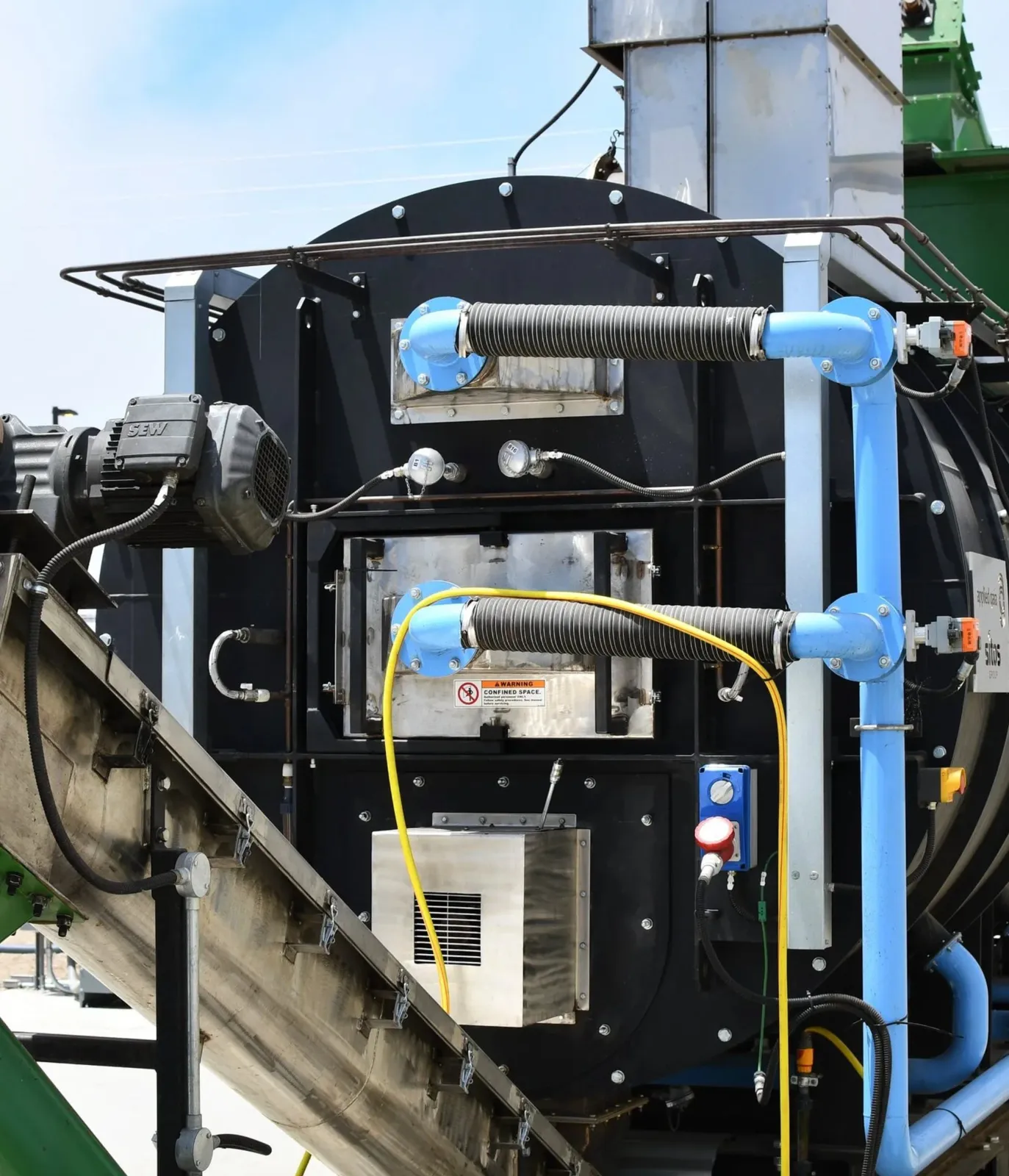
Our facilities use established industrial pyrolysis machines that convert waste biomass into biochar through a controlled, low-oxygen heating process. These systems are commercially proven, designed for continuous operation and capable of delivering consistent biochar quality.
A cost-efficient equipment strategy
We source high-quality, widely deployed production systems from experienced manufacturers. That keeps upfront investment low while maintaining operational performance, scalability and long-term reliability.
Energy
Energy self-sufficient by design
Our plants use syngas and recovered waste heat from pyrolysis to power all of their own electricity and heat needs, including plant operations, material handling and feedstock drying. Depending on the system design, a plant is expected to generate surplus electricity.
We share that surplus with nearby farms and local partners in exchange for access to low-cost land and a reliable supply of waste biomass, where it can run irrigation, cold storage and processing equipment. The result is lower operating costs, more secure feedstock and lasting community partnerships.
Irrigation
Surplus power for irrigation systems on nearby farms.
Cold storage
Surplus power for local cold storage.
Processing
Surplus power for local processing equipment.
Timeline
From site to first credits in 10–12 months
The build timeline for a standard 25-ton-per-day plant.
- 2 months
Site selection and permitting
We identify a suitable site, secure land access and confirm long-term biomass supply agreements. Environmental reviews and permitting are completed, and we engage carbon certification bodies early so the project design meets verification requirements.
- 5–6 months
Engineering, procurement and construction
Detailed engineering is finalized while the production equipment is manufactured, shipped and delivered. Site preparation, civil works and installation of the pyrolysis system, emissions controls, power generation and utilities happen in parallel.
- 1 month
Commissioning and first operations
All systems are tested, calibrated and optimized for stable, continuous operation. Staff training and safety procedures are completed, biochar production begins, and monitoring systems start collecting the data needed for certification.
- 2–3 months
Certification and revenue
Third-party auditors review operational data under the selected carbon standard. Once verified, credits are issued and registered, and sales begin through pre-arranged offtake agreements and carbon marketplaces.
Scale
Built to scale
Replicating a proven plant
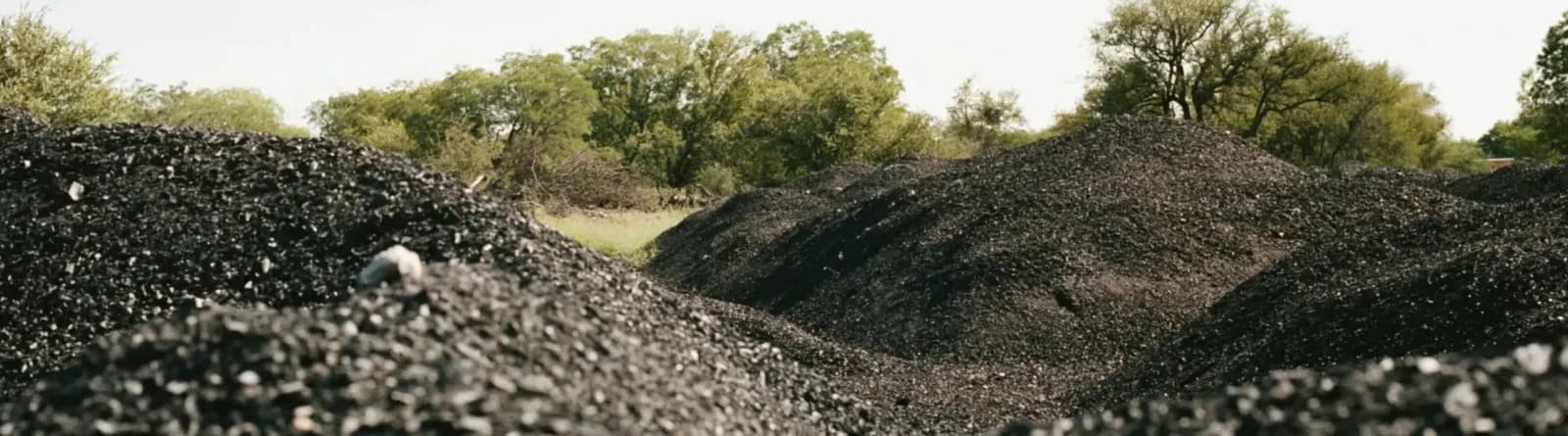
Our standard 25-ton-per-day plant produces about 1,600–1,800 tons of biochar and 3,700–4,900 carbon credits a year, depending on certification factors. Once validated, the same configuration can be replicated wherever biomass is abundant, giving predictable performance, consistent credit quality and controlled operational risk.
Larger plants and new markets
After replication, we can expand through larger 40–60-ton-per-day facilities or clustered multi-unit sites. A 50-ton-per-day facility could produce about 3,200–3,600 tons of biochar and 7,500–10,000 carbon credits a year. Scaling into high-demand regions improves economies of scale and strengthens long-term offtake relationships.
Contact
Planning a biochar project?
Whether you have feedstock, land or a site in mind, we would like to hear about it.
Or email our partnerships team at partnerships@11biochar.com